

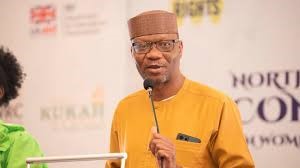
Dr. Kole Shettima is the Director of the Foundation's Nigeria Office in Abuja and Co-Director of the On Nigeria Big Bet. Earlier at the Foundation, he was responsible for grantmaking in Population & Reproductive Health, Girls Secondary Education, Human Rights and International Justice, and the Partnership for Higher Education in Africa.
Prior to joining the Foundation in 1999, Shettima taught at the University of Maiduguri, the University of Toronto, and at Ohio University. He volunteered for several organizations including the Inter-Church Coalition on Africa, Women In Nigeria, and Machina Emirate Development Association. He has published in several academic journals including Africa Development, Review of African Political Economy, African Studies Review, and Journal of Asian and African Studies.
Shettima has a PhD from the University of Toronto, a Master's degree from Ahmadu Bello University in Zaria and his undergraduate degree is from the University of Maiduguri.
He sits on the board of several organizations including the JAIZ Charity and Development Foundation and Sir Ahmadu Bello Memorial Foundation, among others.
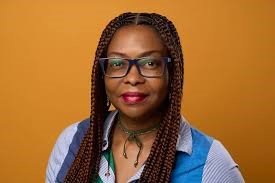
Dr. Catherine Chinedum (ChiChi) Aniagolu-Okoye
Director, West Africa
Catherine Chinedum Aniagolu-Okoye—known as ChiChi—is the regional director in the foundation’s office for West Africa. She oversees all of the foundation’s grantmaking in the region and leads the team to promote human rights, democracy and social inclusion in West Africa.
She has over 20 years of experience leading a variety of country offices in Nigeria for a range of international development organizations. In this capacity, she has devised strategies, led offices, managed diverse sets of staff, and engaged within regional and global organizational settings. Her work has covered a variety of topics from improving governance and reducing poverty to advancing transparency in the extractives sector and furthering women and girls’ empowerment through engagement with civil society as well as the public and private sectors.
Prior to Ford, ChiChi was country director of Technoserve, an international NGO that provides business solutions to poverty with women at the heart of the work. Before this role, she was country director for WaterAid in Nigeria, where she provided grants to CSOs to advocate for improved access to water, sanitation, and hygiene services and strengthened civil society networks, including one focused on journalists dedicated to telling WASH stories. Prior she led Girl The effect, an initiative of the Nike Foundation, focused on girls’ empowerment, and served as country director for Oxfam/Nigeria. As Oxfam country director, she led strategies focused on reducing inequalities through initiatives on tax and gender justice, including the VOICE program that addressed gender violence and an effort focused on transparency in the extractives sector.
Earlier in her career for five years, ChiChi was deputy program director of a European Union project focused on reforming public sector institution service delivery through more efficient and effective management of public finances, budget reform and accountability in six Nigerian states—through engagement with civil society networks. For six years, she was also West Africa director for ASHOKA Innovators for the Public—with a focus on advancing social entrepreneurs in Nigeria, Ghana, Côte D’Ivoire, and Mali.
ChiChi has a Ph.D. in sociology specializing in gender and development from University College Cork, Ireland, and BSc in sociology/anthropology from the University of Nigeria Nsukka. She is a founder of the South Saharan Social Development Organization; a board member of the Civil Society Legislative Advocacy Centre; and Africa Policy Advisory board member of The One Campaign.
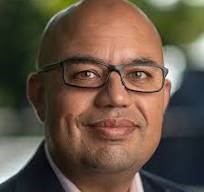
Prof. Shariq Ahmed Siddiqui
Position: Director, Muslim Philanthropy Initiative, Lilly Family School of Philanthropy, Indiana University, USA.
Dr. Shariq Siddiqui is a Professor of Philanthropic Studies and Director of the Muslim Philanthropy Initiative at the Indiana University, Lilly Family School of Philanthropy. Shariq has a Ph.D. and M.A. in Philanthropic Studies from the Lilly Family School of Philanthropy. He also has a JD from the McKinney School of Law at Indiana University and holds a B.A. in History from the University of Indianapolis. Shariq authors research on Muslim philanthropy and the Muslim nonprofit sector. Most recently, he conducted a national survey of full-time Islamic schools in the United States and co-authored a book titled: Islamic Education in the United States and the Evolution of Muslim Nonprofit Institutions, published in November 2017. Shariq also serves as the co-editor of the Journal of Muslim Philanthropy and Civil Society, Journal on Education in Muslim Societies and as the Series Editor of the Muslim Philanthropy and Civil Society Book Series. All three of which are published by Indiana University Press. He has served as a nonprofit practitioner for over 20 years for international, national, regional, and local nonprofit organizations. Previously, Shariq served as the Executive Director of Association for Research on Nonprofit Organizations and Voluntary Action (ARNOVA). ARNOVA is a leading international association that connects scholars, teachers, and practice leaders in research on nonprofit organizations, voluntary action, philanthropy and civil society.
His keynote address will look at the significant of the global Islamic giving practice, reflecting the values of charity and compassion in the Muslim faith. Prof. Shariq will discuss how Muslims living in Europe, Middle East, Asia, and Africa struggle to align with the Islamic principle of giving in different ways, which is often influenced by different cultures and environment. The world is today experiencing growing Muslim population, consumer spending, and the thriving halal industry growth, how does this align with the principle of philanthropy and charity in Islam and in what ways does it play a vital role in supporting vulnerable communities and promoting social welfare in today’s world.
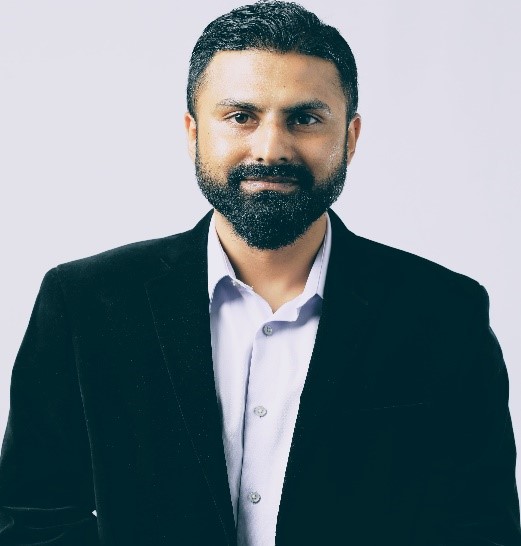
Arif Ekram
Arif Ekram is Senior Partnerships Manager at Candid, the world’s leading philanthropy data and infrastructure organization, where he advocates for transparency, accountability, and collaboration in the social sector. He manages Candid’s global partnerships, working with U.S. and international organizations to drive meaningful change. With experience at leading social sector institutions and a passion for mentoring young leaders, Arif helps bridge development actors to address complex global challenges. Born in Bangladesh and raised in New York, he brings a unique Global South–North perspective to his work. Fluent in multiple languages, he is committed to social justice, climate action, and impact investing.
Session Title: Trends and Future Outlook of U.S. Institutional Philanthropy in Africa
Session Description: This session explores the landscape of U.S. institutional philanthropic giving to Africa, highlighting funding trends over recent years. We’ll examine how much has been invested, which sectors and regions have been prioritized, and how these patterns are shifting. Given today’s global political and economic realities, we’ll also discuss what the future may hold—and how funders and partners can adapt to ensure lasting impact.
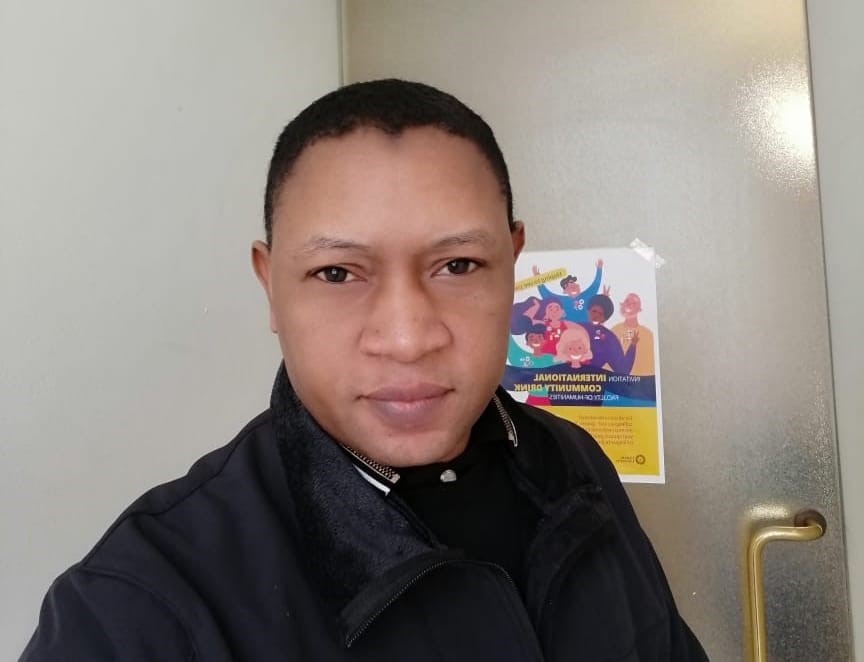
Dr. Murtala Ibrahim
Topic: Crowdfunding and Online Philanthropy in Nigeria
Position:
Project Lead Researcher, Institute of Social and Cultural Anthropology, Freie Universität, Berlin, Germany
Murtala Ibrahim is a lead researcher at the Institute of Social and Cultural Anthropology, Freie Universität Berlin, Germany. His research project is funded by a grant from the German Research Foundation (DFG). His primary research interest focuses on the intersection of religion and new media technologies in Nigeria. Murtala was trained in the Department of Philosophy and Religious Studies at Universiteit Utrecht, Netherlands. Dr. Murtala has earlier worked as a postdoctoral fellow at the Institute of Cultural Anthropology at Freie Universität Berlin, the Department of Cultural Anthropology at Universiteit Utrecht and at the Institute of Political Science at the University of Tübingen, Germany.
Dr. Murtala’s presentation will examine the use of the internet to promote philanthropy in Nigeria and through the use of the social media, philanthropy is collected and disbursed to people in extreme need. The presentation will include the use of the social media by both the faith-Based and Non-Governmental Organizations in Nigeria. It will also look at the popularity of crowdfunding online philanthropy and how people patronize such platforms either as donors or potential beneficiaries. The presentation will conclude by providing a detail analysis of online philanthropic platforms in Nigeria and their impact on development.
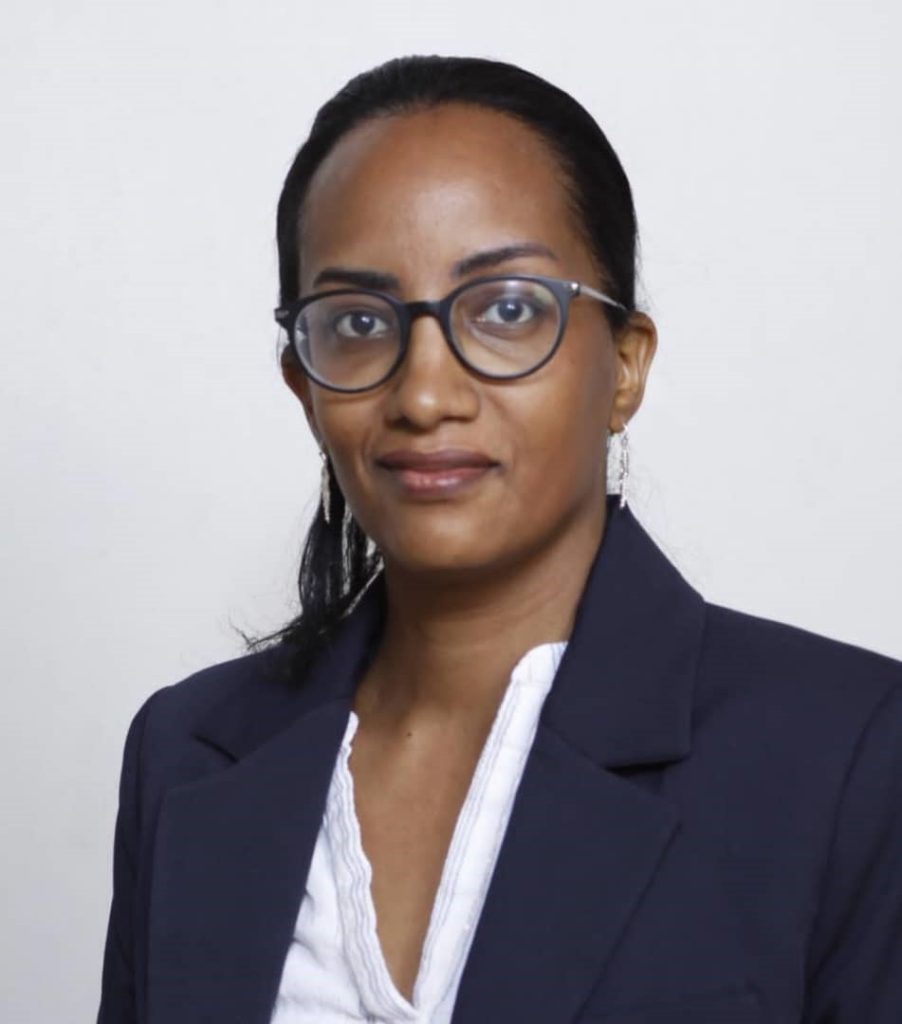
Dr. Salma Abdalla
Position:
Senior Researcher, Raad Peace Research Institute, East Africa Region
Topic: From State-Centric to People-Centric: The Role of Zakat in the Post-War Reconstruction of Sudan
Salma Abdalla is a senior Researcher with the Raad Peace Research Institute, East Africa Region. Her primary field of research is political violence, diaspora political engagement, and religion-politics relationships. Over the past decade, she held researcher positions in Germany and Norway and has been a member of international research projects with universities in France and Sweden. She has worked as a consultant for think-tanks and research institutions on the issue of governance and strategies for the transformation of Sudan. She also provided policy advice to various international institutions including the Life and Peace Institute in the Horn of Africa, the Dutch Ministry of Foreign Affairs, the Department of Peace and Conflict Research, Uppsala University and the Bertelsmann Stiftung in Germany. Salma has published several articles and book chapters in the fields of Zakat, political violence, and Gender.
Dr. Salma Abdalla’s presentation will focus on the decades of suffering in Sudan; poverty and lack of adequate social welfare policies to the ways in which Islamic institutions such as zakat (almsgiving) play a vital role in providing socio-economic protection to the poor and vulnerable population. The state Zakat in Sudan is considered a money-making industry for the government as they adopted policies that mostly benefit the interests of politicians at the expense of beneficiaries, which results in public mistrust of the institution. considering the devastating war that erupted in Sudan in April 2023 between the Sudan Armed Forces (SAF) and the paramilitary Rapid Support Forces (RSF), it is important to understand the significance of socio-economic dimensions of the post-conflict reconstruction in Sudan especially in the complex process of rehabilitation, restoration, and improving the lives of Sudanese for a sustainable peace. Salma will explore ways that Zakat will be transformed from a state-centric to people-centered sector.
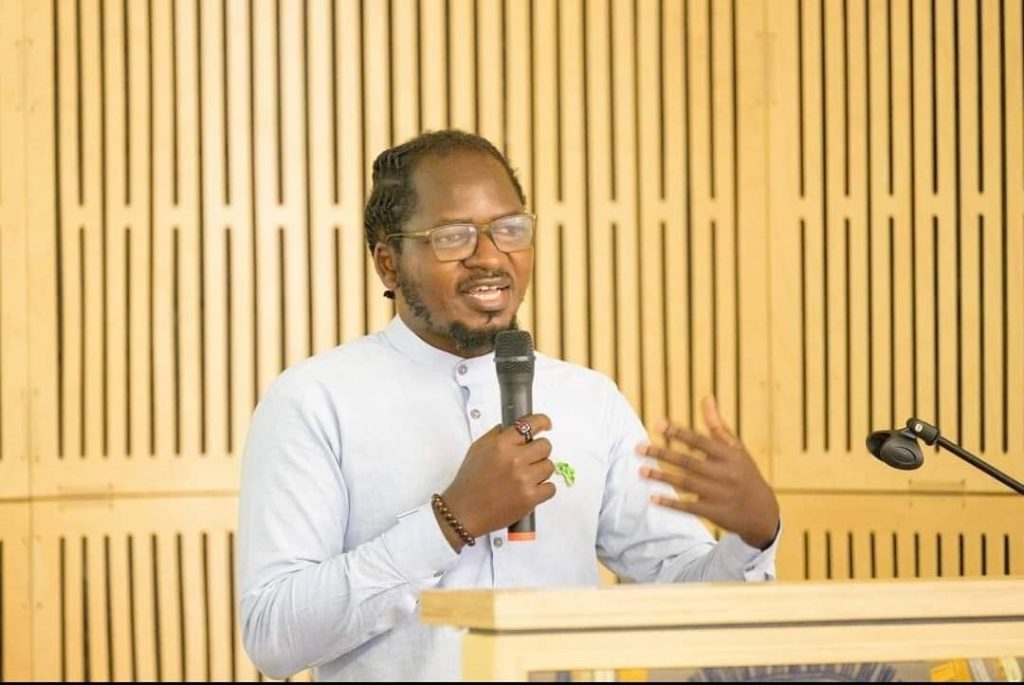
Dr. Sokfa Francis John
Position:
Deputy Director, Centre for Mediation in Africa, University of Pretoria, South Africa
Title: Philanthropy as Dialogue: Centering Local Agency, Co-creation, and Conflict Sensitivity in African Giving
Dr. Sokfa Francis John is the Deputy Director of the Centre for Mediation in Africa, University of Pretoria, South Africa. He co-leads the African Rotary Community Mediation (ARCOM) initiative of Mediators Beyond Borders International (MBBI). Sokfa is a Rotary Peace Fellow, a fellow of the Social Science Research Council’s African Peacebuilding Network (APN), and a National Geographic Explorer. Sokfa is a scholar-practitioner in peace mediation, conflict transformation and digital peacebuilding. His research focuses on digital peacebuilding in Africa, localization, and ethnoreligious conflicts and peace. He is also involved in various peacebuilding, mediation and dialogue initiatives across Africa.
Dr. Sokfa’s presentation will explore how philanthropy can move beyond transactional models to become a form of transformative dialogue in Africa. Drawing from African peacebuilding experiences and mediation practices, it proposes a shift toward “philanthropy-as-dialogue” an approach that centers on local agency, values co-creation, and embeds conflict sensitivity. By framing philanthropic engagement as a negotiated relationship, rather than a one-directional transfer of resources, this model calls for humility, active listening, and long-term relational commitment. A five-part framework will be introduced, emphasizing: listening before acting; co-creating narratives that challenge extractive assumptions; negotiating power dynamics transparently; anticipating and addressing conflict through peacebuilding tools; and accompanying communities rather than directing them. This approach invites funders, practitioners, and community actors to reimagine philanthropy as a space of shared meaning-making and mutual transformation—where the work of giving becomes inseparable from the work of building peace.
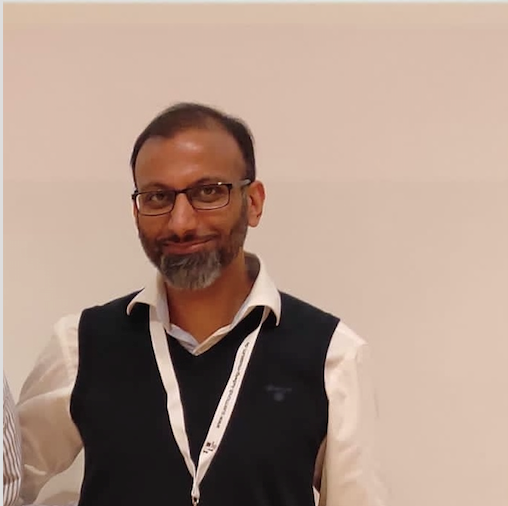
Dr. Muhammad Imran Khan
Position: Fellow at Trinity College Dublin, Ireland, United Kingdom.
Title: Muslim Charitable Giving, “Effective Altruism” and “Strategic Philanthropy”: Lessons and Promises
Dr. Muhammad Imran Khan is a fellow at Trinity College Dublin, Ireland since 2021 and is currently focused on preparing several works through extensive data-mining of 10 major Hadīth collections. He recently completed postdoctoral research at the Indonesian International Islamic University (IIIU) researching the ethico-moral obligations of high net-worth individuals to impart their excess wealth in Islam beyond zakāt. His PhD was in Islamic Theology completed at the University of Cambridge. Dr. Imran’s MA was in Islamic Theology at Leiden University (2010-11) where he did a dissertation on domestic violence reviewing the premodern and modern tafsīr literature, and a BA in International Relations at the University of Leeds. He also spent around 5 years studying Islam traditionally in Syria, Turkey and Pakistan. He has been undertaking charity work in South America for the past 13 years with his UK registered charity: Rosa Foundation.
His presentation will focus on the gap between resources and the outcomes achieved by using them. Whether local African charities, or Western Muslim ones are currently being deployed in the philanthropy field and the purpose. He will address questions such as: what are the major deficits in quality and how may these be best remedied? This presentation will also focus on theory, practice and contemporary trends to advocate for advancing research on qualitative improvement in the philanthropy sector to better outcomes for recipients. It will begin from the premise of optimal giving based on peak-generosity from a religious perspective and thus highlight the indispensable role of faith and spirituality to achieve the above goals. Since, the root of optimization is ihsān yet, it is not a fluffy concept, but a reality rooted in research, knowledge and a deep commitment to best practice towards God and humankind.
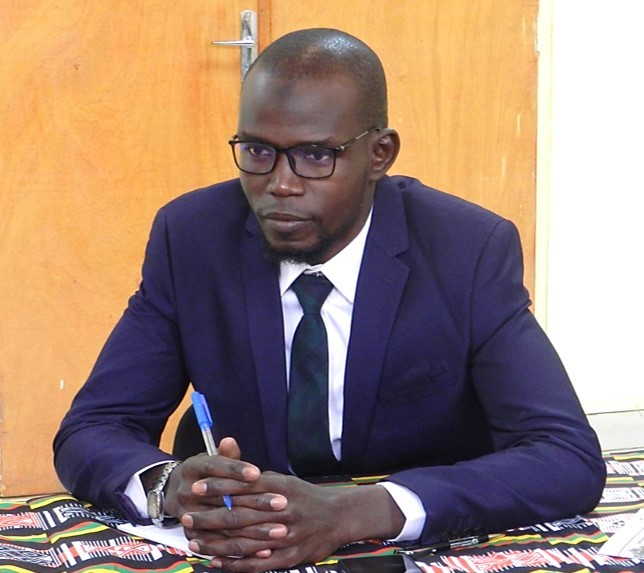
Dr. Baharou Sarimou Abdoulahi
Position: Lecturer, Abdou Moumouni University of Niamey, Niger Republic
Title: Revitalizing Community Solidarity through Charitable Actions: A Socio-Anthropological Perspective on philanthropy during Ramadan in Niamey
Dr. Baharou Sarimou Abdoulahi is a fellow at the Laboratoire d’Études et de Recherches en Sociologie et en Anthropologie (LERSA) at Abdou Moumouni University of Niamey/Niger Republic. His area of interest is the sociology of religious dynamics, particularly “Muslim’s religiosities”, “Islam and public space”. Dr. Sarimou is also a researcher in the research team: "Radicalities and religiosities of contemporary societies."
His presentation at the conference will focus on Ramadan, an eminent religious act observed by the Muslims in Niger. Ramadan is a sacred month that allows the community to rediscover certain values such as solidarity, conviviality and generosity, though the reality is sometimes contrasting. These social values are expressed in a variety of ways and through a multitude of charitable actions in favor of disadvantaged people. Several actions are taking place in Niamey, contributing to this dynamic. Three actions in particular stand out to illustrate this state of affairs: the organization of free collective meals known locally as "collective breaking of the fast” that take place throughout the month of Ramadan by a variety of actors, the gift of "Ramadan sugar", which has become fashionable, and the setting up of solidarity mechanisms consisting of mobilizing funds and food/goods for deprived families. Using a qualitative socio-anthropological approach based on semi-structured interviews and participant observation, Sarimou will analyze the strategy used by individuals and groups in the city of Niamey. The analysis of the social, cultural, and economic strategic will enable the understanding of the ethical significance of these actions within the context of Islamic philanthropy in the city of Niamey, Niger Republic.

Dr. Haruna Zagoon-Sayeed
Position: Lecturer, Department for the Study of Religions, University of Ghana, Legon, Accra, Ghana
Title: Muslim Poverty and the Proliferation of Muslim Philanthropic Organizations in Ghana
Dr. Haruna Zagoon-Sayeed is an interdisciplinary professional. He is an academic, a writer and a researcher in fields of Islamic Studies, education, youth development, international affairs and peacebuilding. He obtained his Bachelor Degree in the Study of Religions and Arabic at the Ain Shams University, Cairo, Egypt and Master of Arts degree in International Affairs from the University of Ghana. He holds a PhD in Islam and Peacebuilding from University of Birmingham, United Kingdom. Master of Arts (International Affairs), University of Ghana, Legon, Accra, 2004
His presentation will look at the Muslim community in Ghana and how it constitutes a substantial proportion of the deprived segment of the population. A situation that has prompted sporadic interventions at both civil society and state levels including some affirmative actions from government in recent times. However, many of initiatives towards reducing poverty among the Muslim community in Ghana have come from non-governmental organizations (NGOs) particularly Islamic Philanthropic organizations. As such, many NGOs particularly Islamic charitable organizations have sprung up in the past three decades in Ghana purporting to working towards alleviating poverty among Muslims in Ghana. Despite the increasing number of Islamic NGOs supposedly offering various forms of social and economic support to the poor and the needy, living conditions among Muslims in Ghana continue to soar according to recent living standard surveys. Using a mixed method approach, Dr. Zagoon-Sayeed study sought to examine the phenomenon of rising Muslim economic deprivation in the midst of proliferation of Islamic charitable organizations in Ghana.
Meet our Anchos
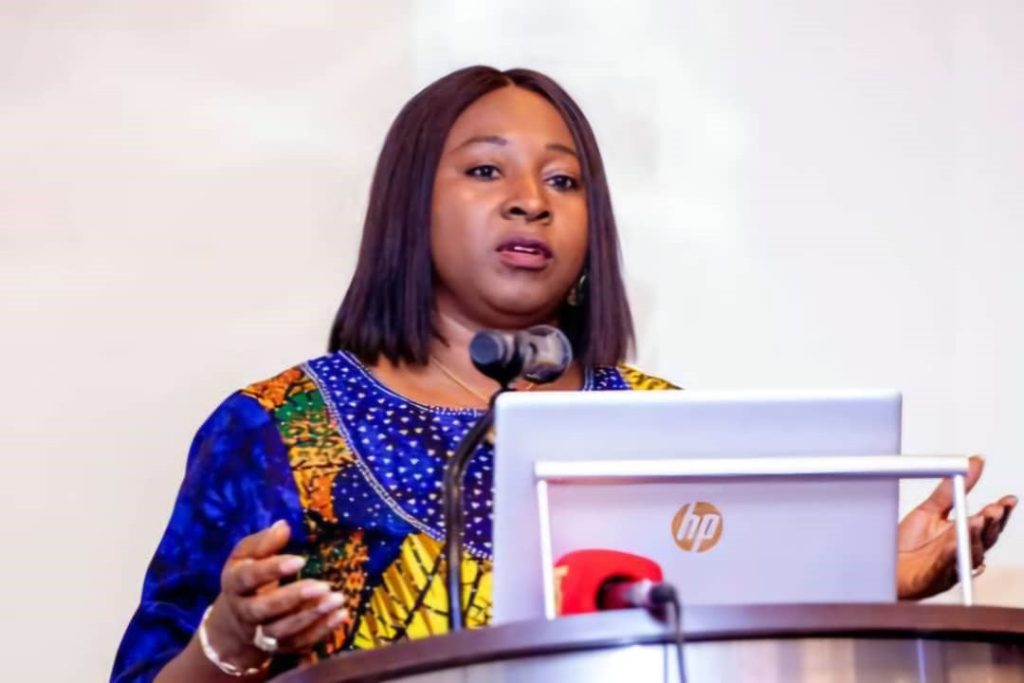
Associate Prof. Plangsat Bitrus Dayil
Dr. Plangsat Bitrus Dayil is the current Deputy Dean, Faculty of Social Sciences, University of Jos, Nigeria. She is a gender, public policy and development analyst. Dr. Dayil is also a security sector reform and governance specialist, with a doctorate degree in African Studies from the University of Birmingham, United Kingdom. Dr Dayil served as the interim Director of the Center for Gender and Women Studies (CGWS), University of Jos from 2017 to 2022. Dr Dayil is the national focal person for the National Women Platform on Security Sector Reform and Governance (NWP-SSRG). She consults for the development Research and Project Centre (dRPC)-as a Gender Specialist and also for the National Institute for Policy and Strategic Studies, Political Parties Leadership and Policy Development Centre (NIPSS-PPLPDC) as the Gender Expert. She is a Fellow of Strategy Professionals of Nigeria (IASP) and also a Fellow, Plateau State Chapter Chair, Institute of Strategic Management of Nigeria- Chartered (ISMN).
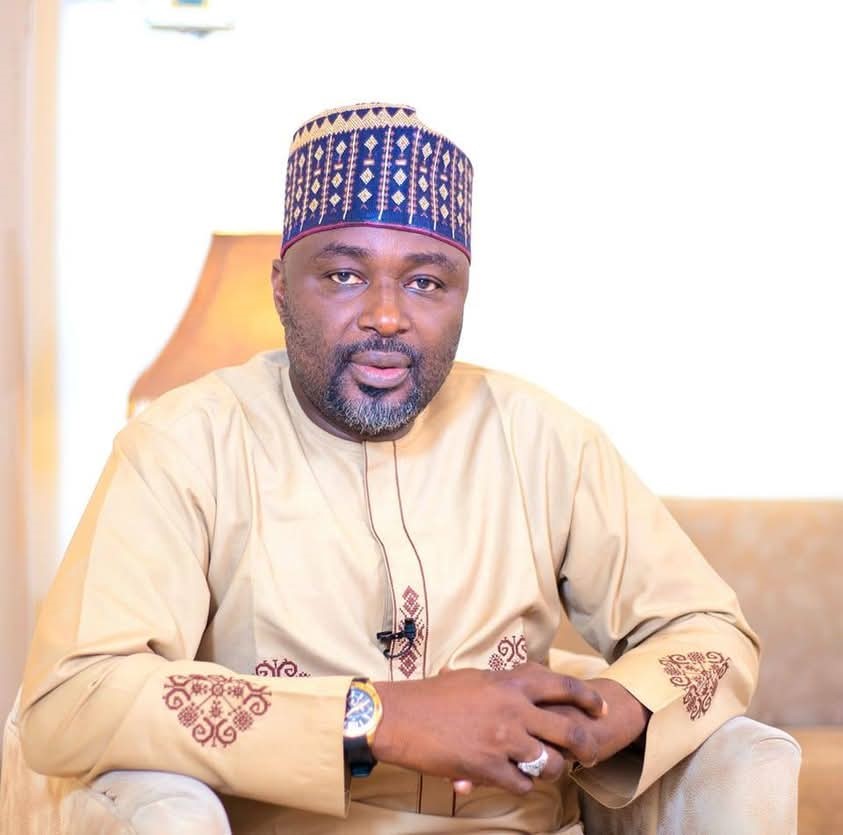
Ambassador Sani Suleiman
Alh. Sani Suleiman is a seasoned Project Development and Management Professional with expertise in peacebuilding, conflict management, humanitarian affairs, security, social inclusion, and development. With a distinguished career at Justice Development and Peace-Caritas, Mercy Corps, Search for Common Ground and HD-Center for Humanitarian Dialogue, marked by prestigious fellowships, Sani has established himself as a leader in his field.
His notable fellowships include:
- Commonwealth Professional Fellow in Diversity Management Coventry University
- International Fellow at King Abdullah Bin Abdulaziz Center for Interreligious and Intercultural Dialogue KAICIID
- Fellow at Pontifical University of St. Thomas Aquinas, Rome, and additional fellowships with the University of Massachusetts, Boston, and Eastern Mennonite University, Virginia, USA
As an expert mediator and facilitator, Sani has made significant contributions to promoting peace, understanding, and development across diverse communities, groups, and nations. His expertise and passion for fostering positive change have earned him recognition as a respected professional in his field.